Grantee: WRI Colombia
Subgrantee: Agrosolidaria Florencia
Geographic Focus Caquetá, Colombia
Duration: June 2026 – December 2027
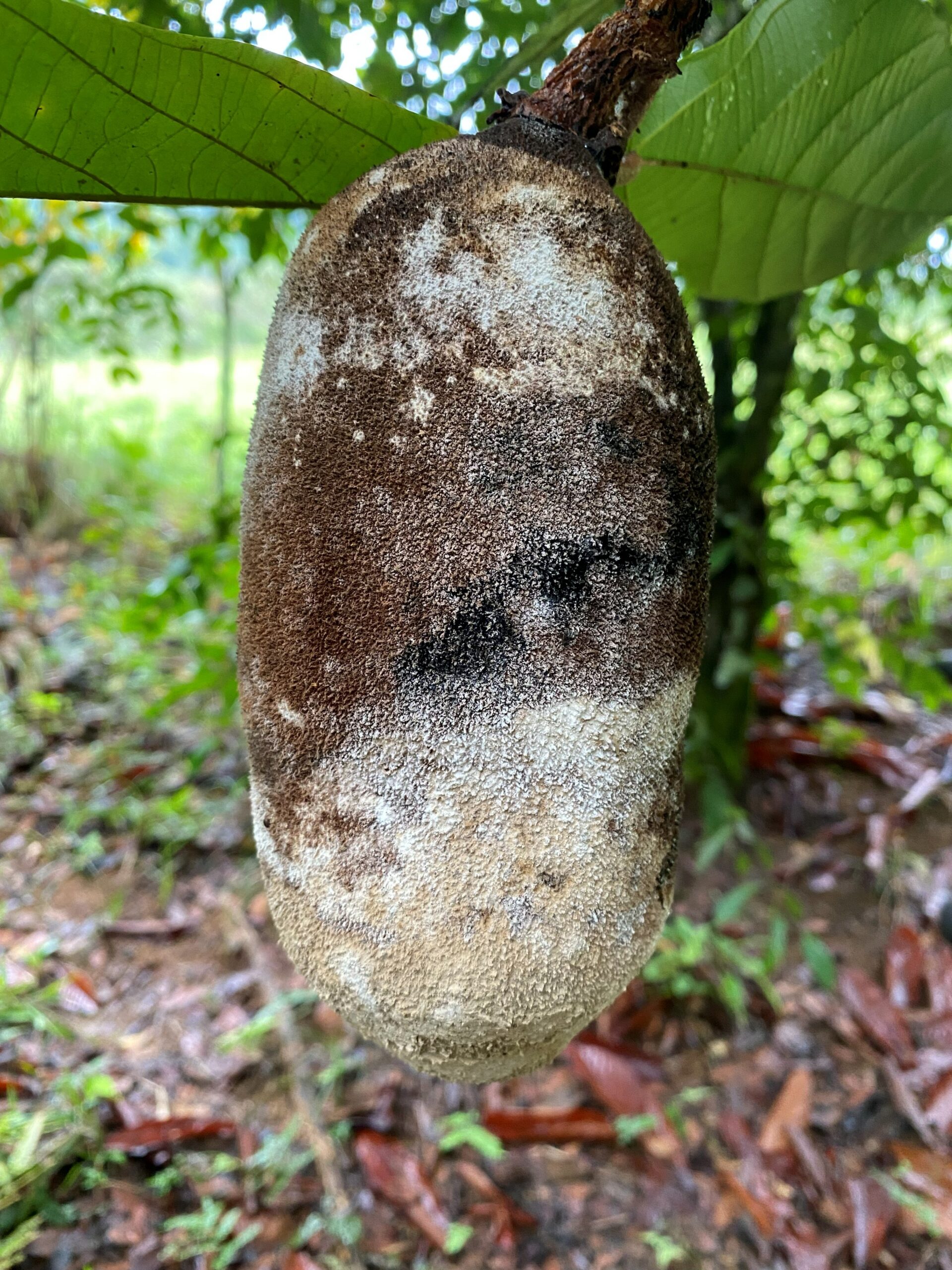
In Caquetá, a department in the Colombian Amazon, fruits such as copoazú, sacha inchi, arazá and cacao can be transformed into food, cosmetics and other value-added products. This is the foundation of the bioeconomy: using biodiversity, local knowledge and productive capacities sustainably to improve community well-being while conserving forests.
But realising these opportunities – and sustaining them – requires more than strengthening individual products or businesses. It calls for better data to guide where bioeconomy activities should be promoted, coordinated institutions, clearer rules for producers, and financing suited to Amazonian enterprises.
In response, this project seeks to establish a jurisdictional bioeconomy model in Caquetá, connecting department-wide planning with nature conservation, economic development and community well-being. The goal is to create conditions for different value chains and enterprises to grow without compromising forests, enabled by four complementary areas:
1. Data-informed territorial planning: integrating environmental, geographic and socioeconomic data to guide sustainable land use, improved decision-making and identify areas with potential for bioeconomy investment.
1. More enabling policies and governance: bringing together public authorities, producer organisations and other stakeholders to reduce barriers, facilitate formalisation of sustainable businesses and strengthen coordination around Amazonian value chains.
2. Financing for community-based businesses: designing a blended finance mechanism that brings together public, private and international cooperation resources and improves access to capital for sustainable SMEs.
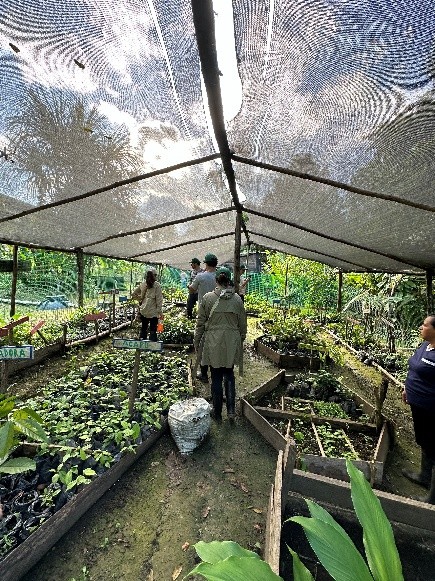
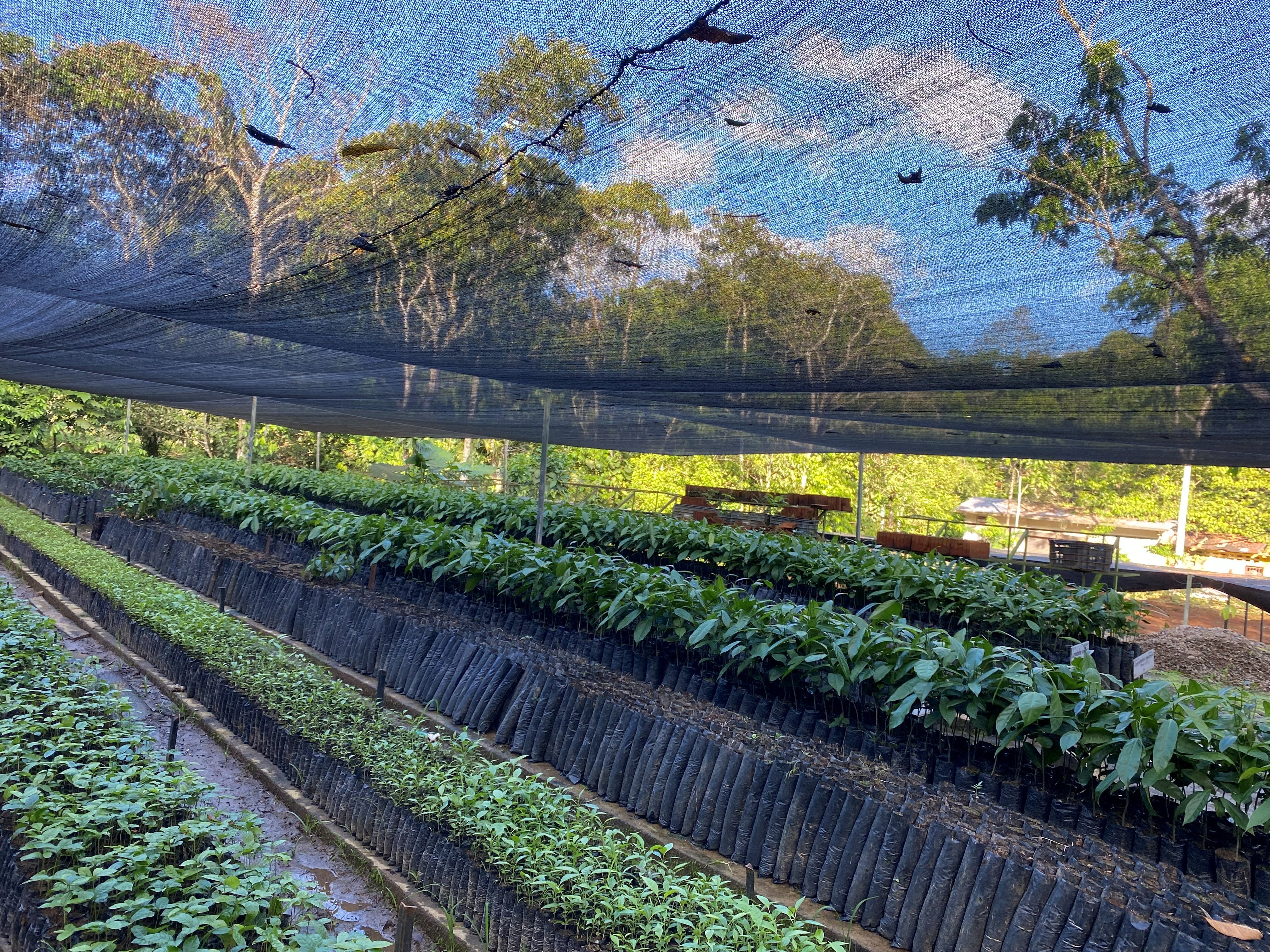
3. Productive and business development: applying this approach to the copoazú value chain, supporting producers through research, technical assistance, pest management, improved practices, traceability and tools to enhance quality, productivity and market access.
Through this project, Caquetá will gain better tools to integrate the bioeconomy into territorial planning; a roadmap for overcoming public policy barriers; a financial mechanism designed to support sustainable businesses; and a stronger, better organised and more competitive copoazú value chain.
About WRI Colombia
WRI Colombia represents the World Resources Institute in the country. For more than a decade, it has worked with national and subnational institutions to advance solutions related to climate, cities, food, land use and water.
Its work seeks to accelerate a just transition to a low-carbon economy, protect forests and biodiversity, and improve the quality of life of local communities.
About Agrosolidaria
Agrosolidaria Florencia brings together producer organizations in Caquetá that work with Amazonian species such as copoazú, sacha inchi, arazá, açaí and Amazonian pineapple.
The organization promotes agroecology, the solidarity economy and the sustainable use of biodiversity. It also supports rural families in processing and marketing food and cosmetic products derived from Amazonian species.
Jacobs Futura Foundation is a registered charity in the UK with charity number 1208303. Jacobs Futura Trustee Limited, a company limited by guarantee, is the trustee of the Jacobs Futura Foundation and is registered in England and Wales with company number 14775871.
©Jacobs Futura Foundation 2026