Grantee: Conservación Amazónica – ACCA; Imperial College
Geographic Focus Southern Peru
Duration: April 2026 – March 2028

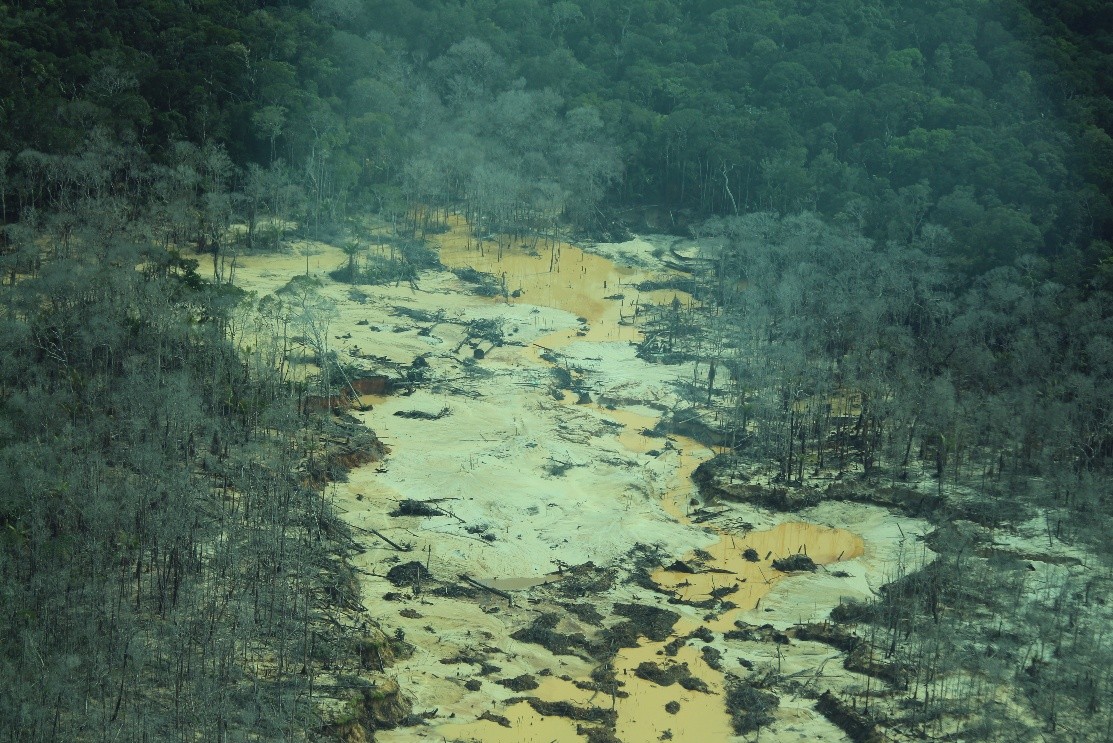
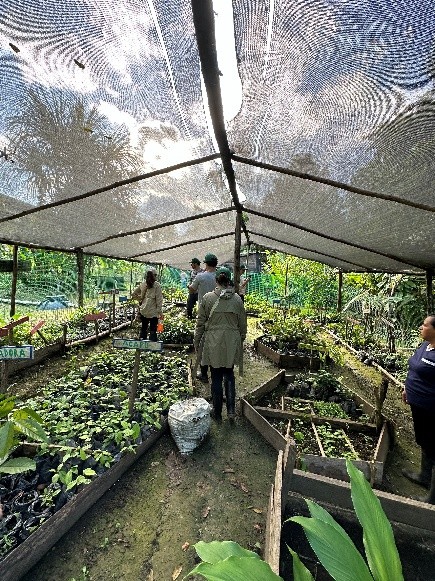
Southeastern Peru is one of the most ecologically significant and climate-vulnerable regions of the Amazon Basin. It contains vast carbon stores, exceptional biodiversity, and some of the highest levels of precipitation in the region. These ecosystems are tightly connected through water systems that link Andean headwaters to lowland rainforests. In the upper Andes, deforestation is high, with impacts on both local communities and downstream ecosystems. Over the past five years, Conservación Amazónica – ACCA has worked with communities in the Cusco region to restore degraded landscapes. While early results are promising, there is limited scientific evidence on how restoration is affecting water systems, biodiversity, and livelihoods.
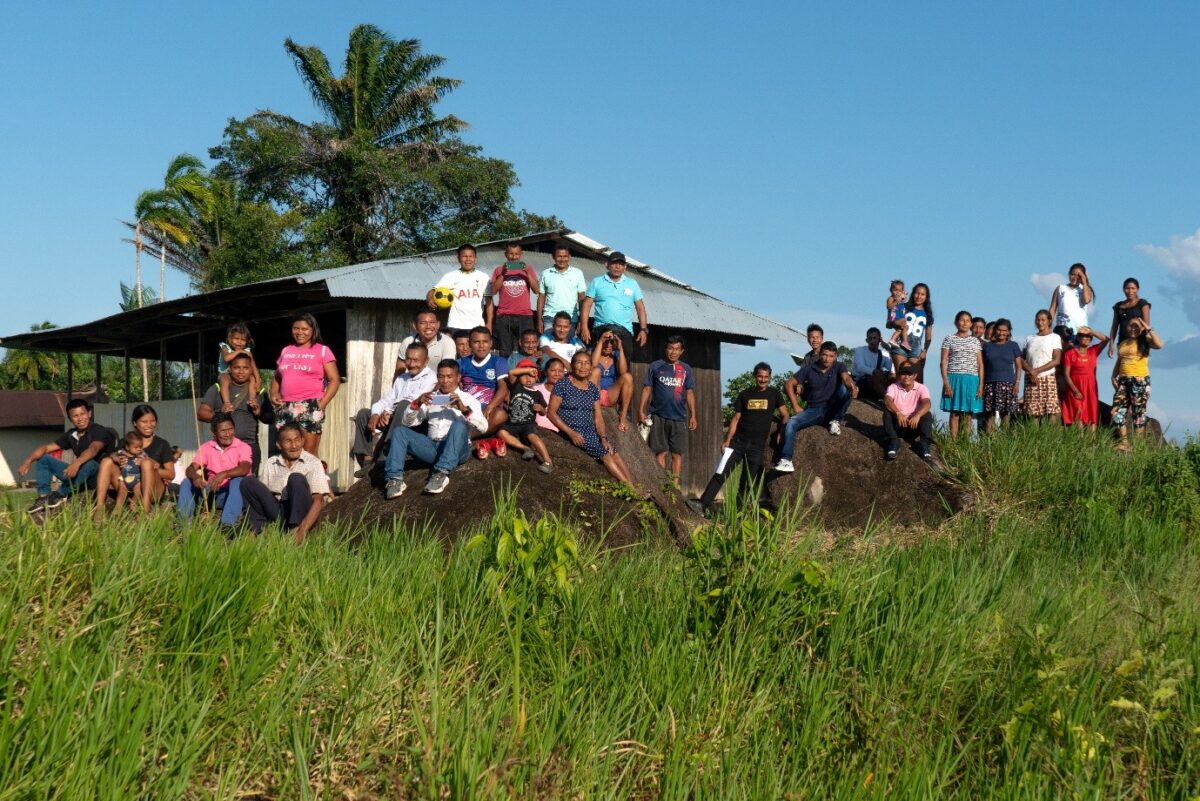
This project will establish a monitoring framework across four sites spanning an altitudinal gradient from 5,000 to 500 metres. Working in partnership with Imperial College London, it will deploy sensor networks to measure water, soil, microclimate, and biodiversity, generating new data in a region at high risk from climate change. The project will prioritise local engagement – training community members, students, and stakeholders in monitoring and data use. By combining field expertise with scientific research, this initiative aims to strengthen the evidence base for restoration and support more informed, locally grounded decision-making across the Andes–Amazon region.
About About Conservación Amazónica – ACCA
Conservación Amazonica – ACCA is a Peruvian conservation and science NGO with more than 25 years’ experience in southeastern Perú. ACCA works on the conservation and enhancement of the Amazon forests, generating sustainable alternatives for local populations, based on science, technology and innovation. Over more than two decades, ACCA has built up relationships at local, regional and national scales with communities, scientists, other NGOs, and public officials. On the ground, ACCA manages three biological stations along an altitudinal gradient from 250 meters to over 3,600 meters, and one conservation concession with more than 146,000 hectares.
About Imperial College London:
Imperial College London (Imperial) is a world-leading university for science, technology, engineering, medicine and business (STEMB), where scientific imagination leads to world-changing impact. As a global top ten university in London, Imperial uses science to try to understand more of the universe and improve the lives of more people in it. Across its 10 campuses and throughout the Imperial Global network, 22,000 students, 8,000 staff, and partners work together on scientific discovery, innovation and entrepreneurship. Imperial’s work navigates some of the world’s toughest challenges in global health, climate change, AI, business leadership and more.
Founded in 1907, Imperial’s future builds on a distinguished past, having pioneered penicillin, holography and fibre optics. Today, Imperial combines exceptional teaching, world-class facilities and a habit of interdisciplinary practice to unlock scientific imagination.


Jacobs Futura Foundation is a registered charity in the UK with charity number 1208303. Jacobs Futura Trustee Limited, a company limited by guarantee, is the trustee of the Jacobs Futura Foundation and is registered in England and Wales with company number 14775871.
©Jacobs Futura Foundation 2026